

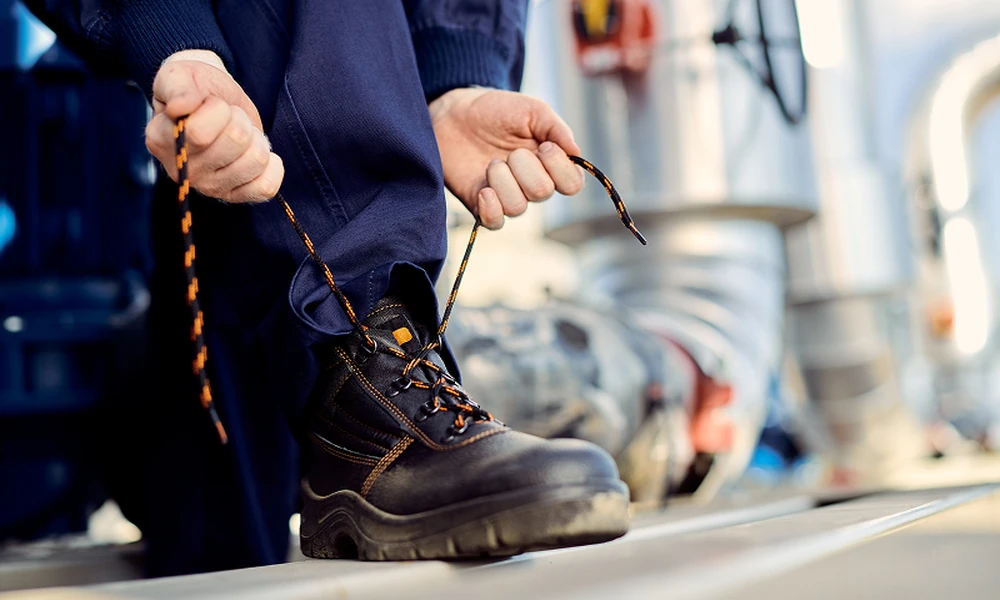
Industrial workplaces expose workers to daily mechanical risks. Heavy machinery, dropped tools, and sharp debris pose constant threats to foot safety. Modern personal protective equipment provides structural defenses against these hazards. Selecting compliant safety boots in Singapore ensures that foot protection meets international and local standards, preventing debilitating occupational injuries.
How Do Safety Boots Protect Against Impact Hazards?
Impact hazards occur when heavy or sharp objects fall or drop onto a worker’s foot. These incidents can fracture bones or cause severe crushing injuries without proper protection.
Safety boots defend against impact through structural engineering:
- Protective Toe Caps: Reinforced steel, composite, or aluminum toe caps form a physical shell over the toes. Under international standards such as EN ISO 20345, these caps must withstand an impact energy of at least 200 Joules, equivalent to dropping a 20-kilogram weight from a height of one metre.
- Metatarsal Guards: External or internal metatarsal guards cover the upper bridge of the foot, extending protection beyond the toes to cover delicate metatarsal bones.
- Energy-Absorbing Midsoles: Specially designed midsoles absorb initial forces, dispersing mechanical energy away from the skeletal structures of the foot.
Safety boots absorb dynamic impact forces through rigid outer caps and energy-dispersing layers, preventing falling objects from fracturing toes and foot bones.
How Do Safety Boots Protect Against Puncture Hazards?
Puncture hazards exist when workers step on sharp protrusions like nails, glass, metal shavings, or discarded scrap. These sharp items can easily pierce standard shoe outsoles, leading to deep puncture wounds and infections.
- Steel Midsole Plates: High-tensile stainless steel plates embedded between the insole and outsole prevent sharp objects from penetrating the footbed.
- Woven Composite Inserts: Flexible, non-metallic materials like Kevlar or high-density aramid fibers cover the entire surface area of the sole.
- Standardised Penetration Resistance: Standard safety inserts are engineered and tested to withstand a minimum penetration force of 1,100 Newtons, preventing sharp objects from penetrating under human weight.
Puncture-resistant safety footwear acts as a continuous barrier between the ground and the foot, stopping sharp items from penetrating the outsole.
How Do Safety Boots Protect Against Compression Hazards?
Compression hazards differ from sudden impacts. They occur when heavy equipment, vehicles, or rolling machinery roll over or rest on a worker’s foot. This continuous, heavy pressure can crush soft tissues and fracture delicate bones.
- Static Load Resistance: Protective toe caps are tested under static compression loads of at least 15 kilonewtons (approximately 1,500 kilograms).
- Rigid Cap Integrity: Toe caps resist deformation under static pressure, maintaining a minimum internal clearance so toes are not crushed.
- Load-Bearing Outsoles: Outsole units distribute heavy static loads across a broader surface area, reducing localized pressure spikes.
Through rigid structural caps and load-bearing designs, safety boots withstand immense crushing forces and maintain internal clearance to protect the toes.
What Other Safety Boot Features Can Support Workplace Foot Protection?
While impact, puncture, and compression protection form the foundation of safety footwear, extra features enhance overall worker protection. Sourcing quality safety boots in Singapore allows employers to match specific workplace environments with appropriate protective features.
- Slip Resistance: Deep tread patterns and specialised rubber outsoles provide grip on wet, oily, or uneven surfaces.
- Electrical Hazard (EH) Protection: Non-conductive soles insulate workers against accidental contact with live electrical circuits.
- Chemical and Water Resistance: Impermeable uppers protect skin from corrosive chemicals, water, and industrial fluids.
- Ankle Support: High-cut boot designs stabilize the ankle, reducing the risk of sprains on uneven surfaces.
Supplementary safety features defend against secondary workplace risks like slips, static discharge, and joint injuries. Equipping teams with certified safety boots ensures compliance with local health and safety regulations while providing comprehensive protection.
Visit Ansac Technology to find suitable protective footwear for your workplace requirements.